
About Catalogue Raisonné
What is a Catalogue Raisonné?
A catalogue raisonné is the most complete and authoritative record of an artist's body of work.
Definition
Catalogue raisonné (French for "reasoned catalogue") is a comprehensive, researched and structured record of an artist's known works.
Traditionally, catalogues raisonnés have been created for historically significant artists, often after decades of research. They document known artworks together with titles, dates, dimensions, materials, provenance, exhibition history and publications.
For museums, collectors, researchers and art historians, a catalogue raisonné often becomes the primary reference for understanding an artist's work.
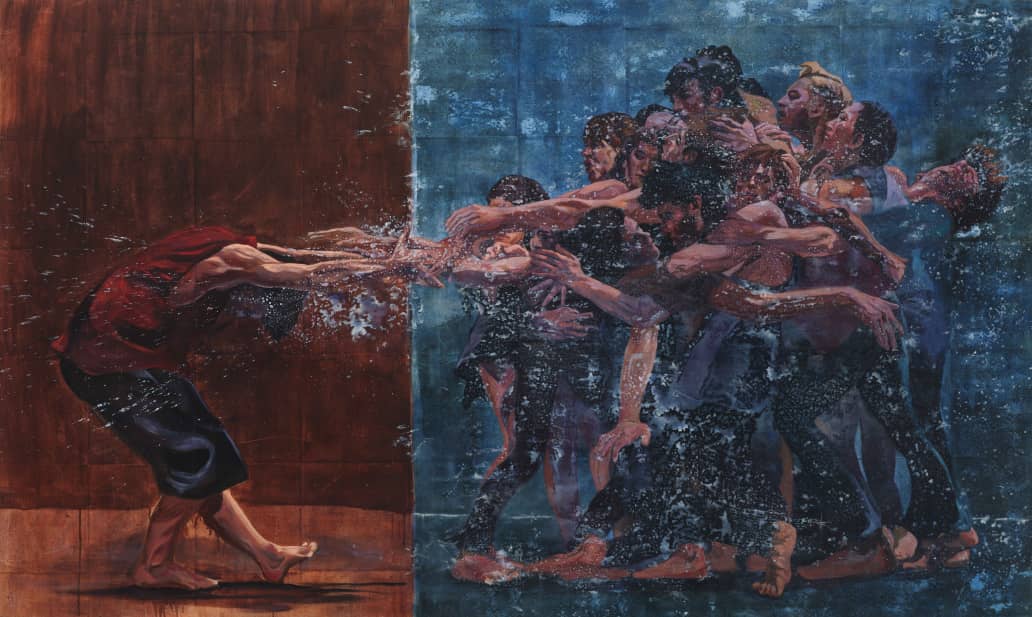
Ebrahim Barfarazi, Waiting for Godot, 2025.
Historic examples
Major catalogue raisonné projects have been created for artists such as Pablo Picasso, Claude Monet, Paul Cézanne, Rembrandt and Edvard Munch. These projects show how important careful documentation can become over time.
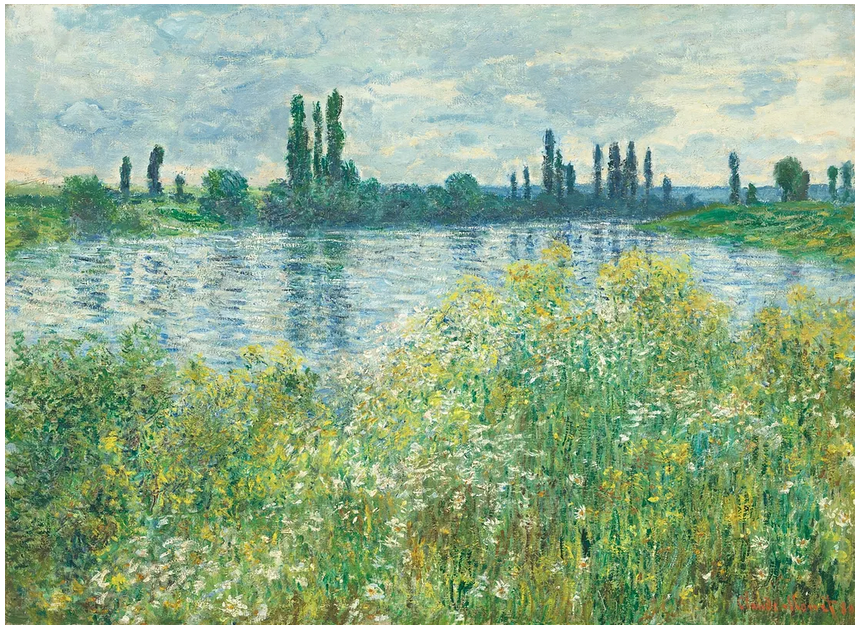
Claude Monet
The Wildenstein Institute’s catalogue raisonné of the paintings and pastels.
View example ↗
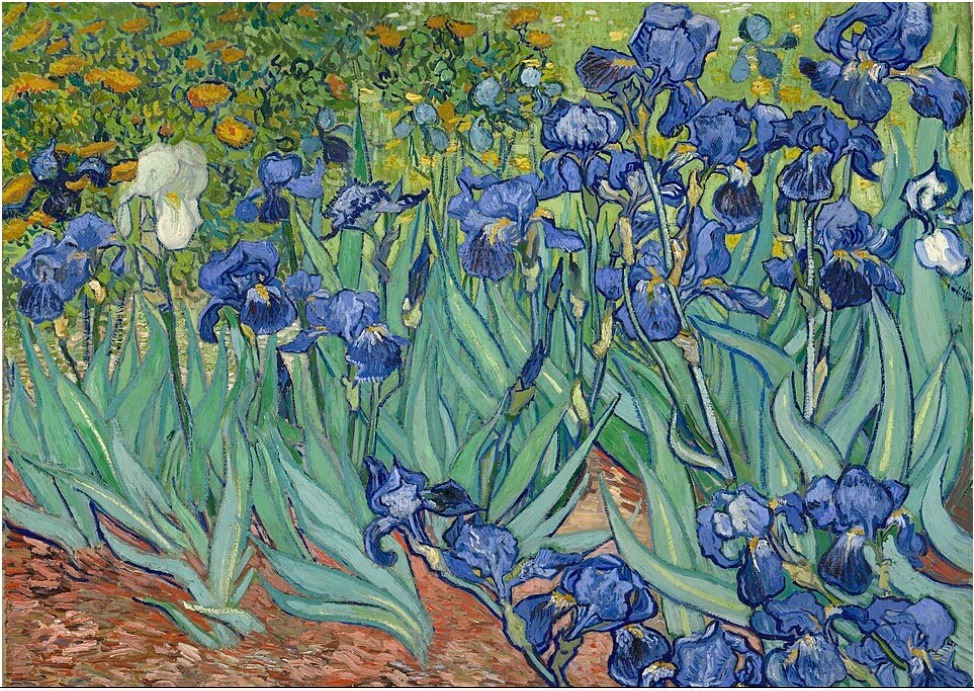
Paul Cézanne
A scholarly catalogue raisonné of Cézanne’s work.
View example ↗
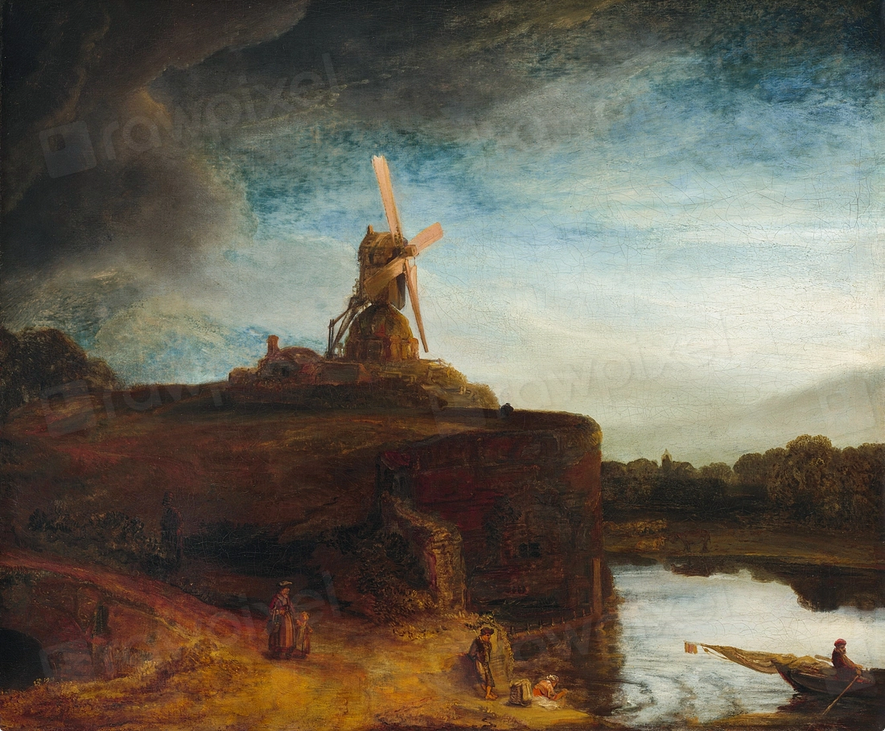
Rembrandt
A comprehensive research resource for Rembrandt’s work.
View example ↗
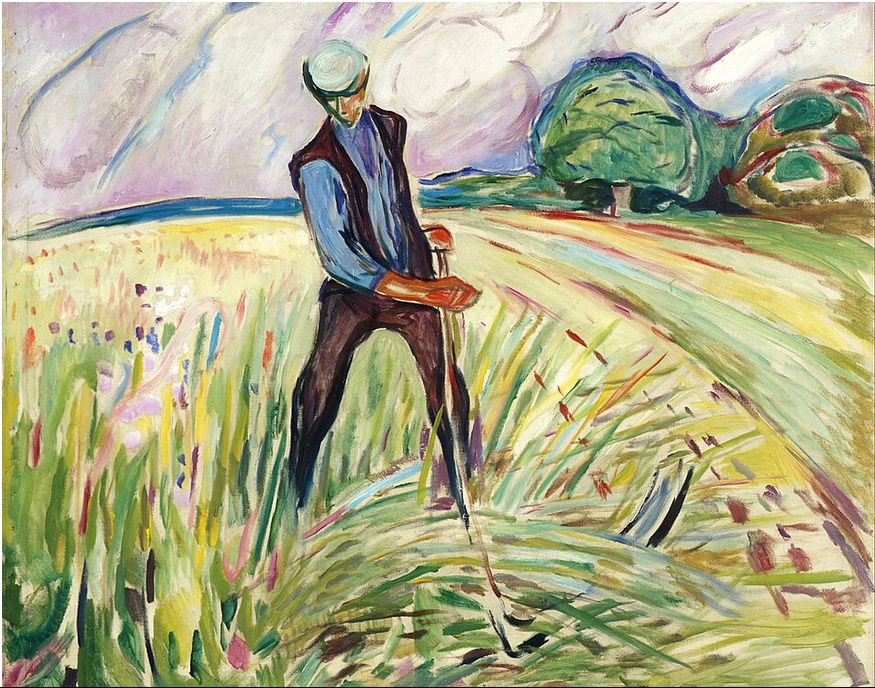
Edvard Munch
A searchable catalogue across Munch’s artistic career.
View example ↗
GCR follows the same principle in a contemporary form: helping artists document their work while their practice is still active, accessible and evolving.
Why does it matter?
An artwork is more than an image. Every work carries a history: when it was created, where it has been exhibited, how it relates to other works, and how it fits within an artist's practice.
Without structured documentation, this information is easily lost over time. A catalogue raisonné preserves not only the artworks themselves, but also the context that gives them meaning.